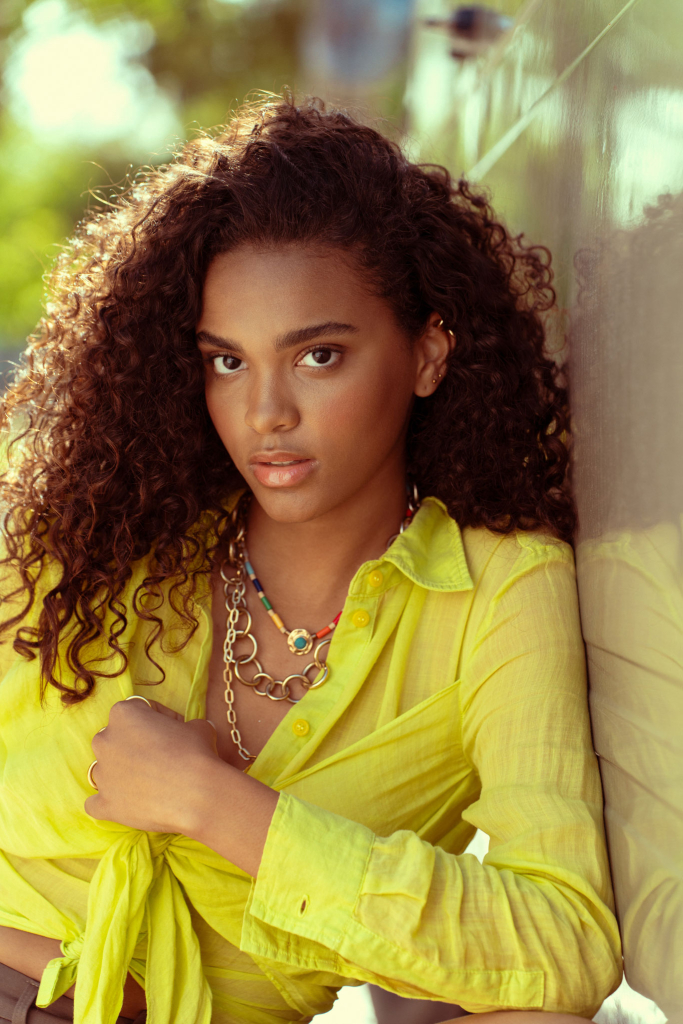
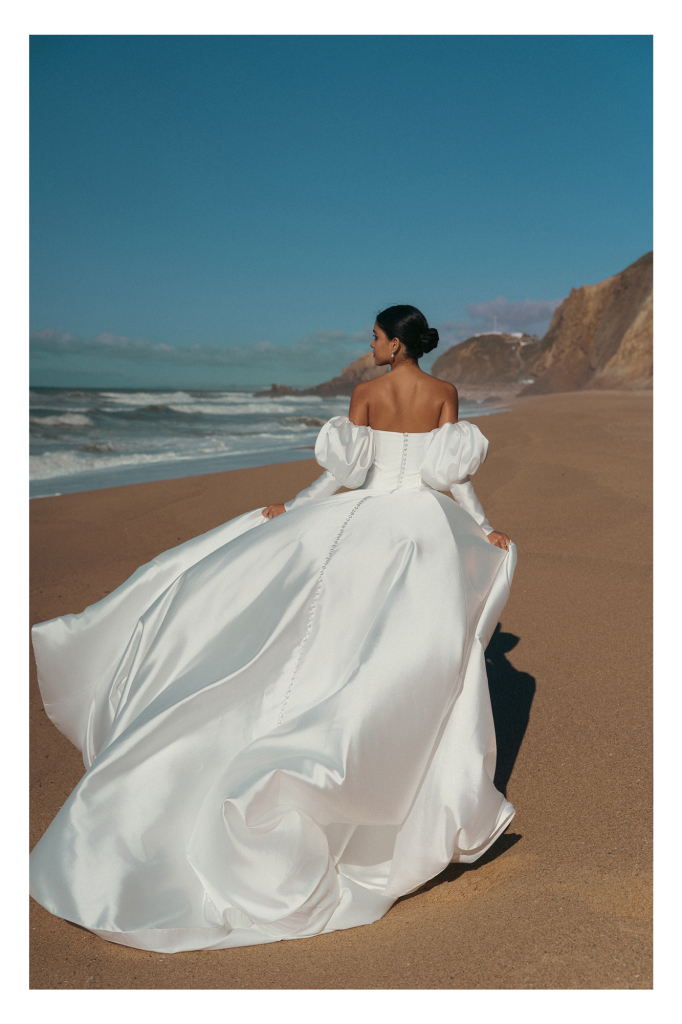
What is the difference between RAW footage and final retouched images: what should a client look for?
When you first see RAW footage from a shoot, it may appear gray, dull, and featureless – well, “raw”. This is normal, and even good! RAW images are the original material, a “digital negative” that contains the maximum amount of information that will allow me, as an exclusive photographer, to perfect the image later during the retouching process. Let’s find out how RAW images differ from the final result after retouching and what to look for when selecting the best photos.

What is RAW and why is it important?
RAW files contain the maximum amount of information about the photo – light, shadows, colors, and textures. They are a blueprint that allows us to preserve the image’s full potential for further processing. Unlike the JPEG format, which already contains compressed data, RAW remains “raw,” keeping all the details that can be manually adjusted.
This makes RAW indispensable for professional retouching, giving me as a retoucher maximum control over the image.

What should you consider when choosing good RAW images?
When reviewing RAW images, remember that retouching can fix a lot of imperfections. Here’s what to look for and what not to look for.
✓ What to pay attention to:
✓ General composition of the image. This is difficult or impossible to correct in post-production. Pay attention to how the objects and characters look in the frame. Does the model’s pose, clothing, and accessories look good, are there any unwanted distortions?
✓ The general appearance of the model. If you are doing a photo shoot for a clothing, shoe, or accessory brand, check how they look in the frame. It is almost impossible to fix an ill-fitting dress, wrinkled fabric texture, partially covered details, or objects.
✓ Emotions, facial expressions. Lively, natural emotions or the right facial expression are often more important than any technical perfection. If the person in the photo looks alive and natural, that image has more potential than emotionless or “squeezed” shots.

✓ Focus on important elements. One of the most important details is sharpness where it is really needed (e.g. face, eyes, clothing, etc.). If the focus is significantly blurred, it is impossible to correct it during retouching.
✓ General Light and Shadows. The light on your subject must be well distributed, even if it appears flat or too contrasty in RAW. Images taken in good lighting conditions allow me, as the retoucher, to have more control over the result.

✘ What you shouldn’t pay attention to:
✘ Colors. The color rendition in RAW may be far from ideal – the frame may look cold, warm, dark, light, gray, or, on the contrary, oversaturated. This is completely normal. I will adjust the white balance, saturation, and all color accents according to your request.
✘ Frame tilt, horizon, cropping. Thanks to the most modern photographic equipment that I use, the frame size is very large. It can be cropped later by two or three times and it will still be completely suitable for use online or for printing. In most cases, I give clients uncropped frames so that they can crop them later for any format and task.

✘ Minor defects in skin, clothing, or background details. Spots on the skin, small wrinkles, random folds of clothing, glare, minor background elements – all this can be corrected or eliminated.
✘ Lighting issues (excessive shadows or highlights). If a shot seems too light or dark, it’s okay. Due to the rich dynamic range of RAW files, many details can be recovered even in difficult lighting conditions. Excessive shadows or highlights can be corrected by refining the image.
✘ Color noise and sharpness in the shadows. If you see noise (graininess) in the shadows or dark areas, this is usually not a problem. Special tools allow me to reduce the noise level, and details in the shadows can be recovered. The main thing is that it should not affect the key elements of the frame.
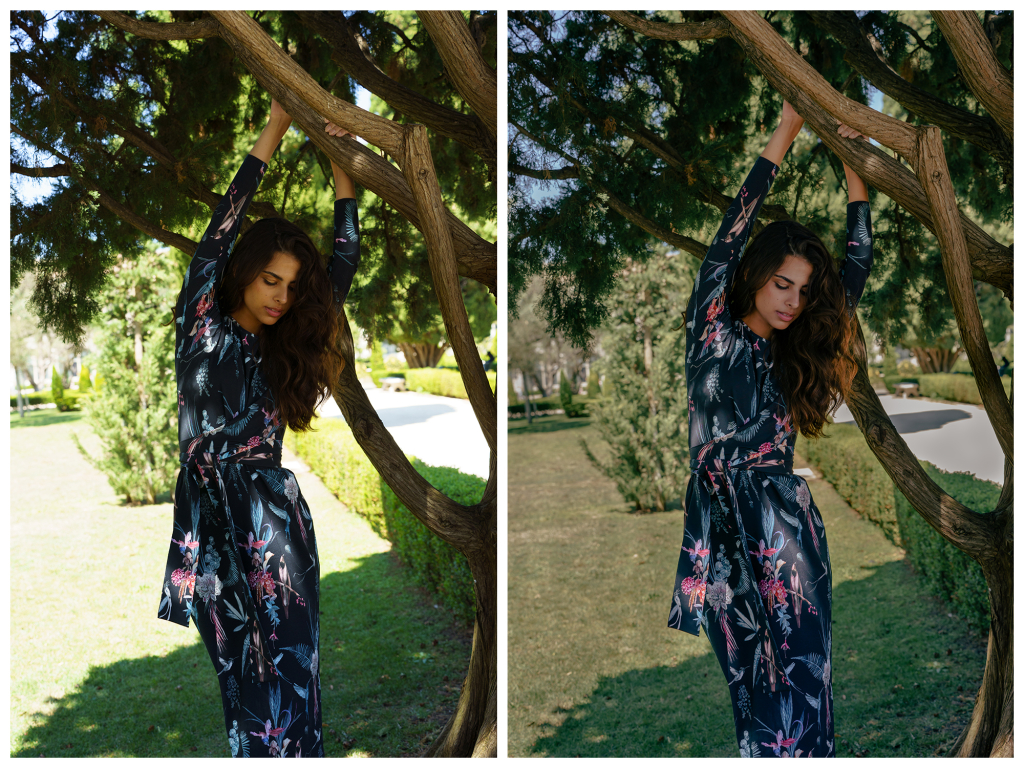
Final editing: what happens?
After you have selected the shots you like, I do the final retouching.
✎ This is what happens in the post-processing stage:
✎ Exposure and light correction. At this stage, I balance the light and dark areas of the image, removing overexposure and adding details in the shadows. This makes the image more voluminous and pleasing to the eye.
✎ Color Correction. White balance, saturation, color tones – all can be adjusted to suit your needs. As a retoucher, I can make the colors more natural or, conversely, create an unusual color scheme, depending on what you want.

✎ Skin and background cleaning. Skin defects and unnecessary objects in the background are removed, irregularities and small folds in clothing are corrected, the horizon is leveled or, conversely, curved. My main task is to make the skin look natural and avoid the “plastic” effect.
✎ Detailing and Accents. In the final stage, I accentuate the necessary details – eyes, hair, clothing textures – to make the subject more expressive.

As a result
RAW is the basic material that I work with as an exclusive photographer, bringing it to perfection in the process of retouching. The main thing when selecting photos for you is to pay attention to composition, emotion, and focus, and not to temporary flaws such as imperfect colors, minor skin defects, or fallen horizon. After your selection, I will make them expressive, stylish, and professional.
I hope you found this information useful. If you have any questions, would like to share your ideas with me, or have already decided to inquire about my photo and video projects, choose a convenient way to contact me right now. Let’s create your beautiful fashion stories together! 💛
Author: Julia Yatel
Contact Form